How Detention Door Design Impacts Facility Security
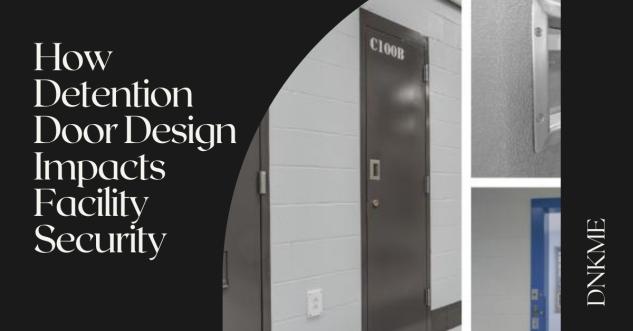
Detention doors are not just physical barriers; they are engineered solutions designed to withstand tampering, forced entry, and unauthorized access. Understanding how the right door design enhances security can help facility managers make informed decisions that protect both staff and occupants.
1. Strength and Durability of Materials
The foundation of a secure detention door lies in the materials used. High-grade steel and reinforced metals are preferred due to their exceptional strength and resistance to physical attacks.
-
Solid steel cores prevent cutting or drilling attempts.
-
Reinforced frames provide extra stability, reducing the risk of forced removal.
-
Specialized anti-corrosion coatings ensure longevity, especially in facilities with high humidity or harsh environmental conditions.
Investing in durable materials minimizes maintenance needs while providing long-term security.
2. Locking Mechanisms and Access Control
A detention door is only as secure as its locking system. Modern detention facilities are increasingly adopting electronic access control systems to replace traditional mechanical locks.
Key features include:
-
Tamper-proof locks with advanced key control systems.
-
Electronic access logs that track door usage in real-time.
-
Integration with central security systems for immediate lockdown in emergencies.
These mechanisms ensure that only authorized personnel can operate the doors, significantly reducing the chances of internal breaches.
3. Visibility and Monitoring Features
Balancing security with visibility is essential in detention facilities. Poor visibility can create blind spots, increasing risks for staff and inmates.
Modern detention door designs often include:
-
Observation windows made with shatter-resistant glass.
-
Integrated vision panels for safe visual inspections.
-
Acoustic features that allow communication without opening the door.
These additions enhance operational safety while maintaining strict control over movement within the facility.
4. Fire Safety and Emergency Preparedness
Security is not the only concern when designing detention doors. In emergencies such as fires or natural disasters, doors must allow for quick and safe evacuation without compromising security.
High-quality detention doors comply with fire-rated standards, offering:
-
Resistance to high temperatures and flames.
-
Safe and controlled opening mechanisms during emergencies.
-
Clear escape routes for staff and inmates.
By combining safety with security, facilities can protect lives while preventing chaos during critical events.
5. Customization for Facility Needs
Every detention facility has unique security requirements. A one-size-fits-all solution may not provide optimal protection.
Custom detention door designs may include:
-
Specialized locking systems for high-risk zones.
-
Soundproofing to reduce noise in sensitive areas.
-
Extra-wide or reinforced doors for secure transport of equipment or inmates.
Working with an experienced manufacturer like DNKME ensures that each door is tailored to meet the facility’s exact operational needs.
Conclusion
Detention doors are more than just entryways—they are a critical component of a facility's security strategy. The right design, materials, and features can prevent escapes, reduce operational risks, and improve overall safety.
At DNKME, we specialize in creating customized, high-security detention doors that meet the toughest standards. Our doors are built to deliver maximum protection, durability, and efficiency, ensuring peace of mind for facility managers and security teams.