Understanding ASTM Standards
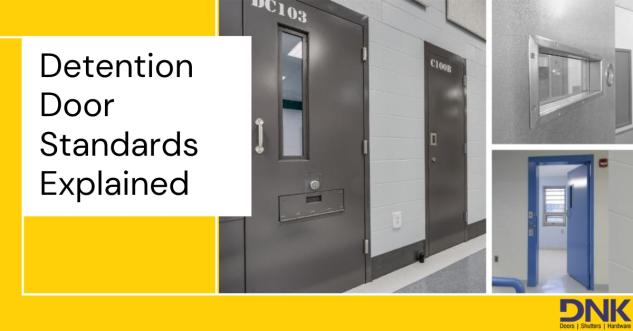
ASTM International, formerly known as the American Society for Testing and Materials, develops technical standards for a wide range of products and systems, including detention doors. The ASTM standards relevant to security and detention facilities often focus on:
ASTM F1450 – Standard Test Methods for Hollow Metal Swinging Doors
This standard measures the performance of doors under dynamic conditions. Detention doors tested under ASTM F1450 must endure repeated impacts to simulate abuse over time, ensuring reliability in real-world scenarios.
ASTM F1233 – Standard Test Method for Security Glazing
Windows used in detention settings are tested under ASTM F1233, which determines their resistance to forced entry, ballistic threats, and environmental stress. It's a critical standard for detention door and window assemblies that incorporate vision panels.
NIJ Standards: Setting Federal Benchmarks
The National Institute of Justice (NIJ) focuses specifically on standards for criminal justice technologies, including equipment used in correctional institutions. NIJ’s testing protocols are considered the gold standard for law enforcement and correctional applications.
NIJ 0101.06 – Ballistic Resistance
While primarily used for body armor, NIJ standards also guide the development of bullet-resistant doors and windows. NIJ ratings classify materials by their ability to withstand specific types of ammunition at defined velocities.
NIJ 0307.01 – Physical Security Equipment
This guideline provides performance requirements for secure enclosures, including detention doors and locking mechanisms. Doors that pass NIJ testing are proven to resist physical attacks such as kicking, prying, and ramming.
Other Important Standards
UL 752 – Ballistic Standards
Developed by Underwriters Laboratories, UL 752 is often referenced for detention doors and windows where ballistic resistance is necessary. It complements NIJ standards and adds an extra layer of protection evaluation.
ISO and EN Standards (International)
While ASTM and NIJ are U.S.-based, some facilities also seek compliance with ISO (International Organization for Standardization) or EN (European Norm) standards, particularly in multinational or overseas projects.
Why These Standards Matter
Compliance with these standards isn’t just about checking boxes. They ensure that detention infrastructure can withstand real-world challenges, whether it’s a physical altercation, attempted breakout, or external threat. Moreover, facilities that use certified Detention Door and Windows benefit from:
-
Enhanced safety for staff and inmates
-
Legal and regulatory compliance
-
Reduced liability
-
Long-term durability and cost-efficiency
Choosing the Right Manufacturer
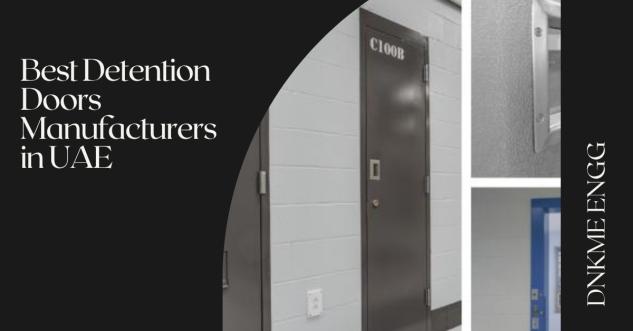
When investing in detention doors and windows, working with a manufacturer that understands and adheres to these standards is essential. At DNK Engineering, we specialize in designing and fabricating Detention Door and Windows that meet or exceed ASTM, NIJ, and other global standards. Our team ensures every product is crafted for maximum security, reliability, and longevity.
Final Thoughts
Detention door standards aren’t just technical jargon—they’re lifelines in high-risk environments. By understanding ASTM, NIJ, UL, and other relevant guidelines, decision-makers can confidently invest in secure, high-performance Detention Door and Windows that stand the test of time and threat.
Ready to upgrade your facility's security?
👉 Explore Detention Door and Windows by DNK Engineering